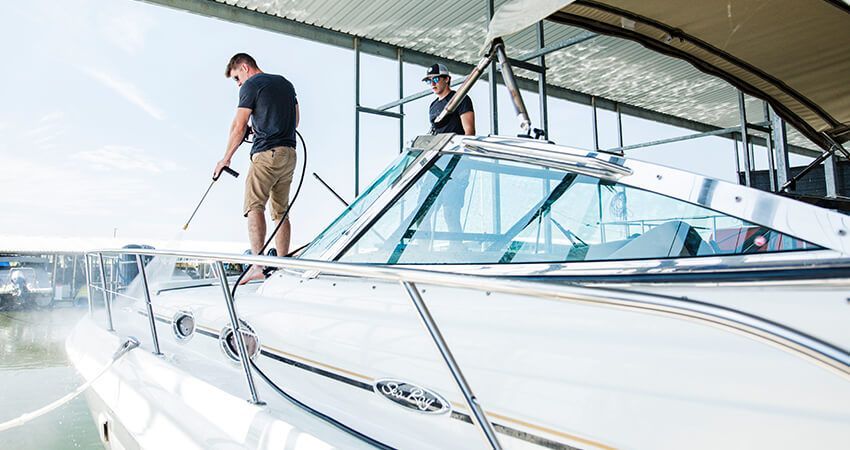
Signs Your Boat Needs Professional Cleaning
Owning a boat is one of the most rewarding investments you can make, but keeping it in top condition takes more than fuel and occasional maintenance. One of the most overlooked aspects of boat care is routine cleaning. Many boat owners assume that rinsing it off once in a while is enough, but over time, dirt, salt, algae, mildew, and grime can build up in places that simple washing can’t fix.
Knowing when your vessel needs professional attention can save you time, protect your investment, and prevent costly damage. If you’re unsure whether it’s time to schedule a professional boat cleaning, here are the most common signs to watch for.
Why Boat Cleaning Costs Vary So Much
In the same way that car washes offer different packages, boat cleaning isn’t “one-size-fits-all.” The price depends on the time, labor, tools, and level of effort required. Here are the biggest factors that affect what you'll pay:
1. Boat Size
Size is the single biggest cost factor. A 16-foot center console naturally takes much less time to clean than a 35-foot cabin cruiser or a sailboat with multiple deck levels.
As a rough rule:
- Smaller boats cost less simply because there’s less surface area
- Larger vessels require more labor, more materials, and often more than one technician
2. Type of Boat
Hull shape, deck layout, cabin size, and the amount of hardware all influence difficulty.
For example:
- Pontoon boats usually require more interior cleaning
- Sailboats have complex rigging, non-skid surfaces, and more detail work
- Sportfish boats and cruisers often have multiple levels and enclosed cabins
- Personal watercraft are the quickest and cheapest to clean
3. Type of Cleaning Requested
A basic washdown is a world away from a full interior scrub or hull cleaning below the waterline.
Here are the most common service categories:
- Exterior washdown
- Hull cleaning (above and/or below waterline)
- Interior cleaning
- Salt removal
- Non-skid scrubbing
- Mildew treatment
- Compartment, console, and storage cleaning
The more detailed the service, the higher the cost.
4. Condition of the Boat
A boat that’s washed regularly is far easier to clean than one that’s been sitting for months covered in dirt, salt, or algae.
Boats with:
- Mold or mildew
- Heavy waterline scum
- Stains built up over time
- Thick marine growth
- Heavy oxidation
…will almost always cost more.
5. Where the Boat Is Stored
Boats kept in the water typically need more frequent and more intensive cleaning. Boats on lifts or trailers accumulate less growth and are easier to access.
6. Your Location
Boat cleaning prices vary based on cost of living, local demand, seasonal availability, and regional water conditions. Coastal areas tend to have higher salt and mineral buildup, which means more frequent cleaning.
7. You’re Spending Hours Cleaning With Little Results
One of the clearest signs you need professional boat cleaning is when your own efforts stop working. If you find yourself scrubbing for hours only to see minimal improvement, the buildup likely requires commercial-grade tools and techniques.
Professional cleaners have:
- Specialized brushes for different surfaces
- Marine-safe chemical solutions
- Equipment designed for tight or delicate areas
- Experience removing tough stains without damage
Sometimes what looks like a simple cleaning issue is actually oxidation, mineral buildup, or mildew that requires proper treatment.
8. Waterline Marks Won’t Come Off
Waterline stains are extremely common, especially for boats kept in the water. These marks are caused by minerals, pollution, algae, and organic debris accumulating where the hull meets the water.
Light stains may come off with soap, but darker or older marks usually need professional removal. If left untreated, they can become permanent discoloration.
9. Your Boat Has Been Sitting Unused
Boats that sit unused for weeks or months often accumulate dirt faster than boats that are used regularly. Dust, bird droppings, moisture, and environmental debris can build up quickly.
Before putting a stored boat back into use, a professional cleaning ensures:
- Surfaces are safe and sanitary
- Mold hasn’t developed
- Hardware is intact
- Stains don’t set permanently
This is especially important before the boating season starts.
10. You’re Preparing to Sell or Showcase Your Boat
If you’re planning to sell your boat or show it to potential buyers, appearance matters. A professionally cleaned vessel looks newer, better maintained, and more valuable.
Even minor improvements—like polished metal, spotless glass, and fresh-smelling interiors—can make a big difference in buyer perception and final sale price.
11. You Notice Chalky Residue on the Surface
A chalky or powdery feel on your hull or fiberglass surfaces is often a sign of oxidation. This happens when sun exposure breaks down the outer layer of gelcoat or paint.
Oxidation isn’t something standard cleaning can fix. It typically requires machine polishing or specialized treatments. Catching it early can prevent permanent dullness and costly restoration later.
12. Bugs, Bird Droppings, or Tree Sap Are Building Up
Environmental contaminants like bird droppings and sap aren’t just unsightly—they can stain surfaces permanently if left too long. These substances are acidic and can damage gelcoat, paint, and metal finishes.
If your boat is stored outdoors and these contaminants keep returning, routine professional cleaning can prevent long-term damage.
Why Professional Boat Cleaning Is Worth It
Some boat owners prefer to clean their vessels themselves, and that can work for light maintenance. But when buildup becomes stubborn or widespread, professional cleaning provides benefits that go beyond appearance:
- Protects your boat’s finish and materials
- Extends lifespan of components
- Improves performance
- Prevents costly repairs
- Saves time and effort
Professionals also know which products are safe for marine surfaces, avoiding the accidental damage that household cleaners can cause.
How Often Most Boats Need Professional Cleaning
While frequency varies, general guidelines are:
- Saltwater boats: every 2–4 weeks
- Freshwater boats: every 4–8 weeks
- Stored boats: before and after storage periods
- Heavy-use boats: more frequent service
Regular maintenance cleanings are typically faster and cheaper than deep-clean restorations after long neglect.
Final Thoughts
Your boat doesn’t have to look filthy to need professional cleaning. Subtle signs—like dull metal, stubborn stains, or lingering odors—often indicate buildup that routine rinsing can’t fix. Paying attention to these early warning signs helps you address issues before they turn into expensive problems.
Professional boat cleaning isn’t just about making your vessel look good. It’s about protecting your investment, improving performance, and ensuring every trip on the water is as enjoyable as possible. If you notice any of these signs, scheduling a professional cleaning sooner rather than later can save you time, money, and frustration in the long run.
You might also like